

"Hone your skills by answering the questions" Nissin Digital Lighting Quiz: Question 3
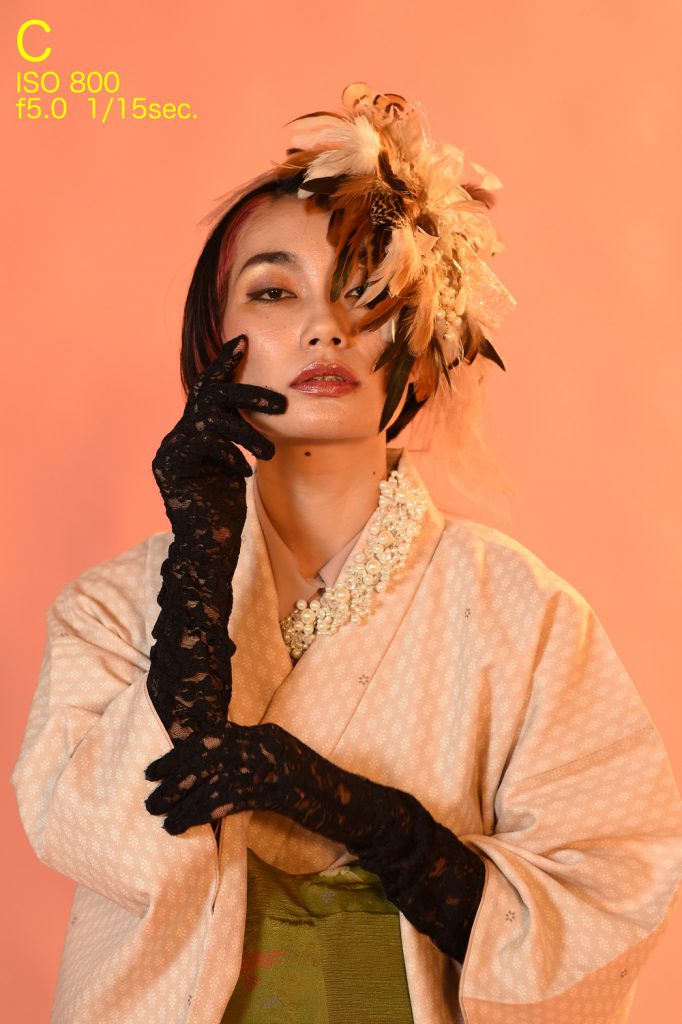
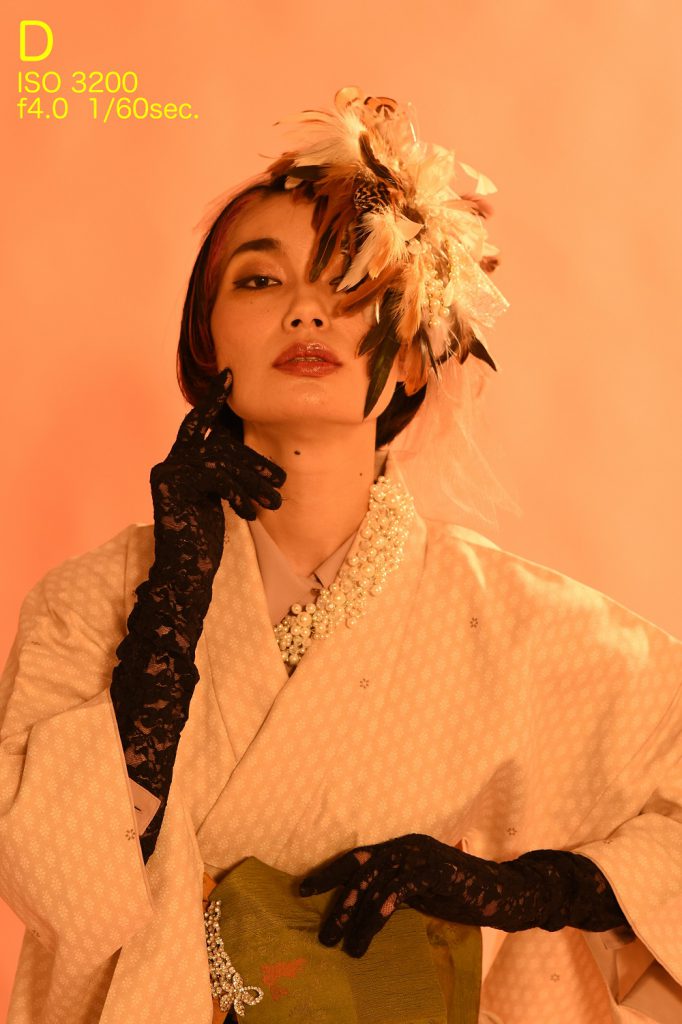
"Sharpen your skills by answering our questions" Nissin Digital Lighting Quiz #3 <Twitter Responses Only>This is a monthly lighting quiz (6 questions total). The difficulty level is relatively high.Just by thinking about the answers, you might boost your lighting skills!?<Question>Mixed Lighting: Differences in Color Temperature based on the Ratio of Flash to Ambient (Tungsten) LightThe four photos A–D were taken using flash while the ambient tungsten studio lights were turned on.A softbox was attached to the flash.Photo A was taken with a flash at settings of ISO 800, f/4.0, and 1/125 sec.If you take a photo with the same settings without firing the flash,the image will be underexposed, as seen in Photo A'.When the flash component of Photo A was measured with a light meter, it read 90%.Photo D is a shot taken with ambient light only.Since ISO 800 would result in a slow shutter speed, the sensitivity was increased to ISO 3200.Based on this, which of photos B or C has a flash-to-ambient light ratio of 50?Note that when Photo A was taken, the white balance (WB) was set to custom (or "preset manual" for Nikon).Photos B, C, and D all share the same custom settings as A.
<Purpose of the question> This question is designed to help you understand how a photograph looks when the flash and ambient light are at a 1:1 ratio. <How to solve> Solve through calculation or by measuring the flash component ratio with a light meter. [The answer] is at the very bottom of this page.
【Setup】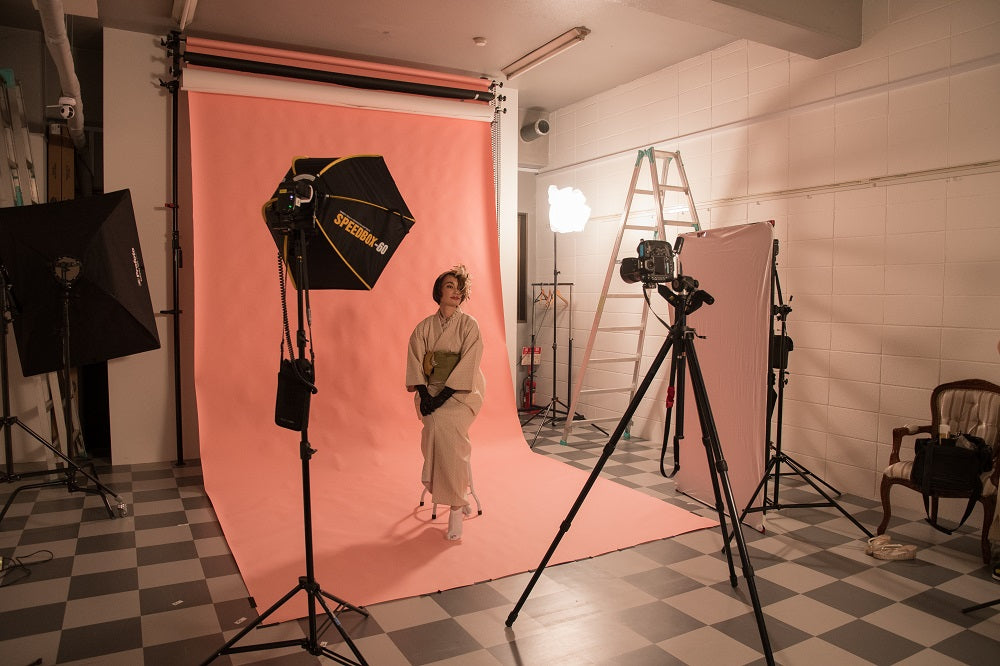 【Photo A】
 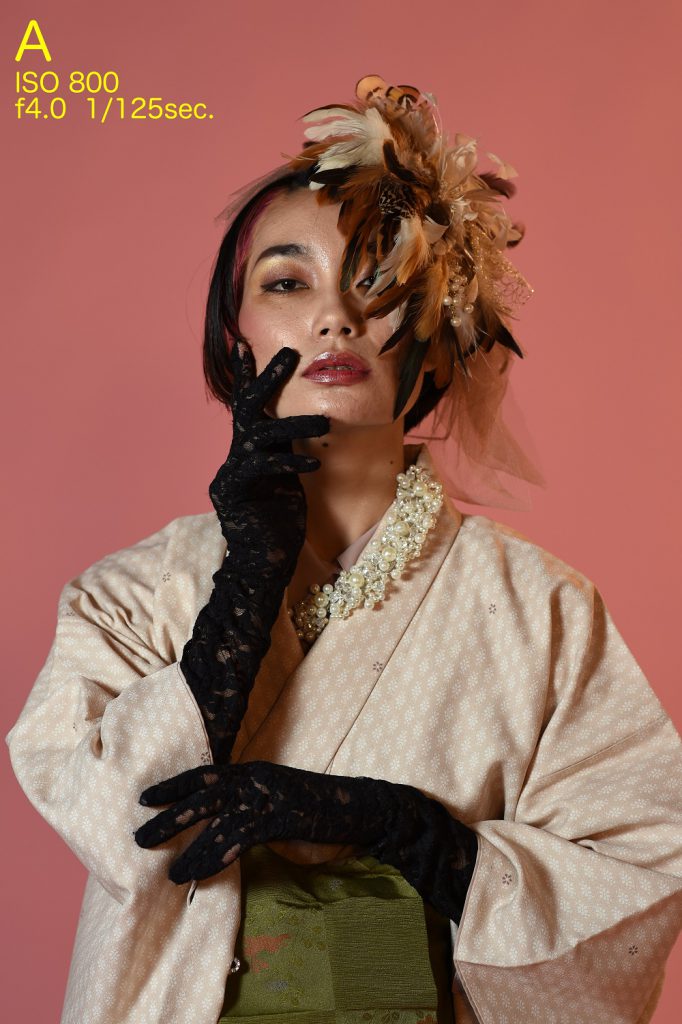 【Photo A'】 No flash, same settings as Photo A
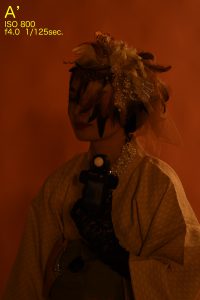 【Photo B】
  【Photo C】
 【Photo D】No flash
 Shooting DataWhite Balance: Custom (Preset)Model: Kotomi Kai
Organizer: Nissin Japan Ltd.
For inquiries, please use our contact form.
[Answer] C Reason (Example): The lights creating the ambient (tungsten) light are reflected in the subject's eyes. By comparing the photos, you can see that of the two points in the eyes, the one on the right is the ambient light and the one on the left is the flash. Photo C, where the two points are roughly the same size, can be inferred to have a 1:1 exposure balance.<Intent of the question>When the exposure values of the ambient (tungsten) light and the flash are 1:1, if the camera is set to daylight (white balance around 5500K), the result will look redder than you might expect. It is useful to memorize what a 1:1 state looks like as empirical knowledge for your own camera.
<Purpose of the question> This question is designed to help you understand how a photograph looks when the flash and ambient light are at a 1:1 ratio. <How to solve> Solve through calculation or by measuring the flash component ratio with a light meter. [The answer] is at the very bottom of this page.
【Setup】
【Photo A】 【Photo A'】 No flash, same settings as Photo A【Photo B】 【Photo C】【Photo D】No flashShooting DataWhite Balance: Custom (Preset)Model: Kotomi KaiOrganizer: Nissin Japan Ltd.
For inquiries, please use our contact form.
[Answer] C Reason (Example): The lights creating the ambient (tungsten) light are reflected in the subject's eyes. By comparing the photos, you can see that of the two points in the eyes, the one on the right is the ambient light and the one on the left is the flash. Photo C, where the two points are roughly the same size, can be inferred to have a 1:1 exposure balance.<Intent of the question>When the exposure values of the ambient (tungsten) light and the flash are 1:1, if the camera is set to daylight (white balance around 5500K), the result will look redder than you might expect. It is useful to memorize what a 1:1 state looks like as empirical knowledge for your own camera.